Fire extinguishers are classified according to the type of fire they are designed to combat. The classifications include:
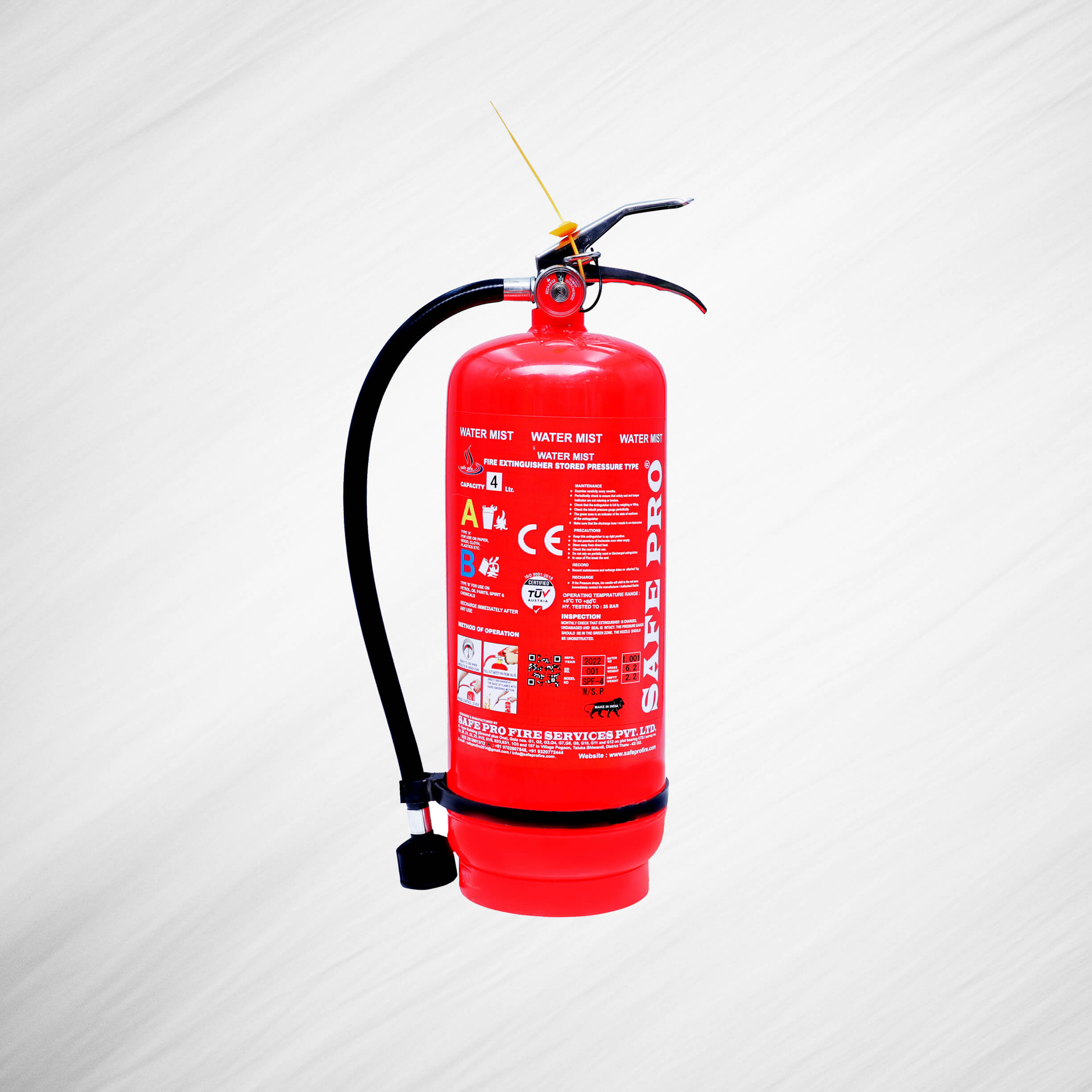
- Class A: Fires involving ordinary combustibles such as wood, paper, cloth, and plastics.
- Class B: Fires caused by flammable liquids like gasoline, oil, and solvents.
- Class C: Fires involving electrical equipment like computers, wiring, and appliances.
- Class D: Fires caused by flammable metals like magnesium, titanium, and sodium.
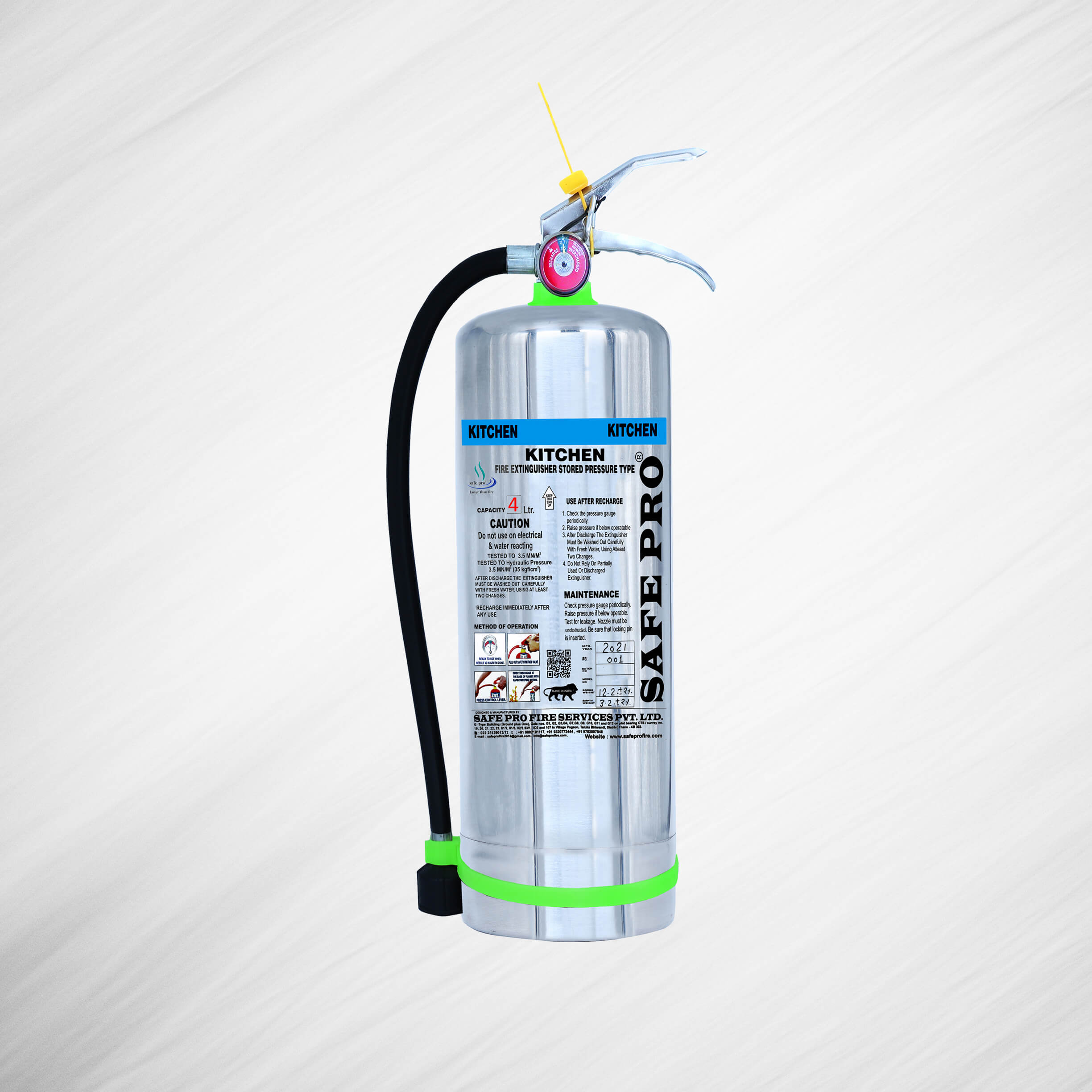
- Class K: Fires caused by cooking oils and fats, commonly seen in kitchens (for example, deep fryers).
|
The type of fire extinguisher depends on the substance used to extinguish the fire. Some common fire extinguisher agents include:
- Used for Class A fires (solid combustibles).
- Foam: Used for Class A and B fires, particularly effective on flammable liquids.
- Dry Powder: A multipurpose extinguisher (ABC type) that can put out Class A, B, and C fires.
- Carbon Dioxide (CO2): Used for Class B and C fires, particularly electrical fires, as it leaves no residue.
- Wet Chemical: Used for Class K fires, designed for grease and oil fires in kitchens.
- Halotron / Clean Agent: A clean chemical agent that is effective for electrical and delicate equipment fires, similar to CO2 but without the freezing risk.
|
Fire extinguishers are rated for their effectiveness based on the class of fire they are designed to fight. The rating typically appears on the label:
- Class A: Rated by the number of gallons of water it can hold. The higher the number, the more effective it is for tackling combustible fires.
- Class B: Rated by the square footage of the area it can effectively cover.
- Class C: Indicates it is suitable for electrical fires but doesn’t have a numerical rating.
- Class K: Rated for kitchen grease fires, usually with a number indicating the amount of time it can fight such fires.
|

.jpg)
.jpg)
.jpg)